
Staying Sober Through the First Snow: How Winter in Cincinnati Can Trigger Relapse
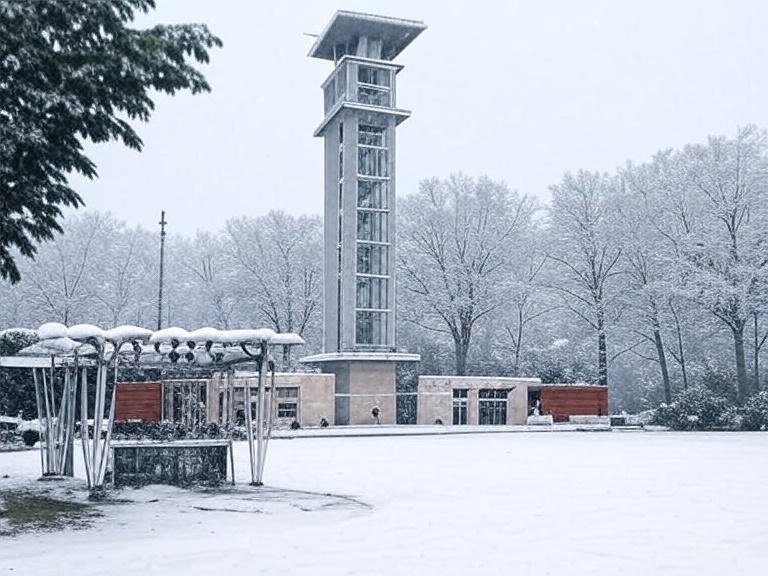
Yesterday’s first snow in the Cincinnati area marked more than just a seasonal shift — it signaled the beginning of a time when many people in recovery face new emotional and environmental challenges. For individuals committed to staying sober in winter, this change in weather can influence mood, motivation, and even mental health. At Sanative Recovery and Wellness in Blue Ash, we see how the first signs of winter can quietly increase relapse risk and emotional fatigue if not managed with awareness and care.
Why the First Snow Feels So Heavy in Recovery
While the first snow in Cincinnati can seem peaceful and even magical, it often brings a mix of emotions. The shorter days, gray skies, and drop in temperature can subtly affect brain chemistry. Add in the stress of the upcoming holidays, and even a stable recovery can feel shakier than usual.
Several factors contribute to these winter triggers:
- Reduced sunlight exposure: Less daylight affects serotonin and vitamin D levels, increasing feelings of sadness or fatigue.
- Colder temperatures: Fewer outdoor activities mean less exercise and social engagement — both vital for emotional stability.
- Holiday stress: Family dynamics, parties, and travel can cause anxiety or expose old triggers.
- Emotional nostalgia: Past winters may be tied to drinking, using, or isolating behaviors that once provided temporary comfort.
These combined pressures can make staying sober in winter feel like climbing uphill through the snow — possible, but harder without the right tools and support.
Understanding Seasonal Depression and Its Role in Recovery
Seasonal Affective Disorder (SAD) is a form of depression that typically begins in late fall and continues through winter. According to the National Institute of Mental Health (NIMH), millions of Americans experience seasonal mood changes that can worsen existing mental health conditions or addiction triggers.
For those in addiction recovery, SAD can pose a unique risk. When mood and energy levels drop, the brain naturally seeks dopamine — the same neurotransmitter once artificially elevated by substances. Without proactive coping skills, it’s easy to fall back into old thinking patterns like:
“Just one drink will take the edge off.”
“It’s the holidays — I’ll start fresh in January.”
Recognizing these thought distortions early allows you to counter them before they lead to relapse. Remember, your brain is not your enemy — it’s healing. Learning how to support that healing during darker months is what staying sober in winter truly means.
How Weather Affects Recovery Motivation
When it’s cold and gray outside, it’s tempting to stay in bed, skip therapy, or miss recovery meetings. Yet, consistency is what keeps sobriety strong. Research shows that structure, physical movement, and social connection help maintain healthy dopamine production and emotional balance.
At Sanative, we often encourage clients to treat recovery like training for a marathon — not every day feels good, but every effort builds endurance. The snow, the cold, and the slower pace of winter don’t have to derail your progress; they can actually deepen your resilience.
5 Evidence-Based Ways to Protect Your Sobriety This Winter
1. Keep a Consistent Schedule
Structure prevents emotional drift. Attend your outpatient sessions, keep therapy appointments, and maintain daily routines. Even when motivation drops, doing the next right thing keeps your recovery momentum steady.
2. Get Outside and Move
Natural light and physical activity are powerful antidepressants. Take short walks in the crisp Cincinnati air, try yoga near a sunny window, or visit a local park after it snows. Movement boosts serotonin and helps reduce cravings.
3. Prioritize Connection
Isolation is one of the most common winter relapse triggers. Stay connected with sober friends, join support groups, and don’t hesitate to lean on your sponsor or therapist. If bad weather keeps you home, virtual meetings or calls can still make a big difference.
4. Use Light Therapy and Mindful Self-Care
Invest in a light therapy lamp to mimic natural sunlight exposure. Pair it with grounding activities such as journaling, meditation, or gratitude lists. Small daily rituals remind your brain that you are safe and in control.
5. Ask for Help Early
Recovery isn’t about perfection — it’s about staying honest. If you feel more anxious, irritable, or disconnected, talk to a counselor. At Sanative Recovery and Wellness, our outpatient team can adjust your care plan to fit your needs through the colder months.
Why Staying Connected Matters More Than Ever
Winter can make people withdraw, but recovery thrives in connection. Being part of a recovery community offers warmth that weather can’t touch. Whether you find support through therapy, group meetings, or spiritual practices, your connections keep you grounded.
For those new to sobriety, Cincinnati’s colder season can feel isolating, and staying sober in winter can be tough. But it’s also an opportunity to build stronger roots — to replace old patterns with new ones. Use this time to reconnect with loved ones, explore hobbies, or volunteer. Helping others is one of the fastest ways to restore motivation when your own energy dips.
How Sanative Recovery and Wellness Supports Your Journey
At Sanative Recovery and Wellness, we specialize in helping individuals build strength, resilience, and purpose through every season. Our outpatient programs in Blue Ash, Ohio, provide therapy, group support, and medical services that adapt to your changing needs. Whether you’re newly sober or years into recovery, our goal is to help you feel connected and capable — even during Cincinnati’s coldest months.
We believe recovery is not just about abstaining — it’s about living fully, even when the days are dark and the snow falls quietly outside. Staying sober in winter is possible, and with the right support, it can become a time of personal growth rather than struggle.
Conclusion: Staying Sober in Winter Is About Preparation and Compassion
As Cincinnati settles into the cold season, remember that the challenges of winter don’t define your recovery — your response to them does. The first snow is a reminder that change is constant, but with awareness and connection, you can stay steady through it all. Commit to your wellness, lean on your support network, and reach out when you need guidance. You are not alone on this path.
Need Support?
If you’re finding it difficult to maintain your recovery through the winter, contact Sanative Recovery and Wellness in Blue Ash, Ohio. Our compassionate team is here to help you find warmth, balance, and peace through every season.
Additional Resource
For more on the connection between winter and mood changes, visit the National Institute of Mental Health (NIMH).