Signs of Fentanyl Use: How to Recognize an Overdose and Save a Life
What is Fentanyl and Why is it So Dangerous?
Before discussing the signs of fentanyl use, it’s crucial to understand what makes this drug so deadly. Fentanyl is a powerful synthetic opioid prescribed medically for severe pain, but most fentanyl-related deaths involve illicitly manufactured fentanyl. The danger lies in its extreme potency—just two milligrams (equivalent to a few grains of salt) can be lethal.
What makes recognizing signs of fentanyl use especially critical is that people often don’t know they’re taking it. Drug dealers mix fentanyl into heroin, cocaine, methamphetamine, and counterfeit prescription pills to increase potency and profits. According to the CDC, fentanyl is now found in nearly all categories of illicit drugs, making every drug use potentially life-threatening.
Physical Signs of Fentanyl Use
Understanding the physical signs of fentanyl use helps you identify when someone may be using this dangerous substance:
Immediate Physical Effects
The signs of fentanyl use appear rapidly due to the drug’s potency. Physical indicators include:
- Extreme drowsiness or sedation: Person appears excessively sleepy, nodding off mid-conversation, or difficult to keep awake
- Constricted “pinpoint” pupils: One of the most reliable signs of fentanyl use; pupils become extremely small even in dim light
- Slowed or shallow breathing: Respiratory depression is a hallmark sign of fentanyl use and the primary cause of overdose deaths
- Confusion or disorientation: Person seems disconnected from reality, doesn’t recognize familiar people or places
- Slurred speech: Difficulty forming words, speaking very slowly
- Lack of coordination: Stumbling, unable to walk straight, dropping things
- Nausea and vomiting: Common side effects, especially in new users
- Constipation: Chronic sign of fentanyl use due to opioid effects on the digestive system
Longer-Term Physical Signs of Fentanyl Use
With continued use, additional signs of fentanyl use may develop:
- Weight loss: Decreased appetite and neglect of basic nutrition
- Track marks or injection sites: Bruising, scars, or abscesses on arms, hands, legs, or feet
- Frequent nosebleeds: If fentanyl is being snorted
- Burns on fingers or lips: If fentanyl is being smoked
- Dental problems: Poor oral hygiene, tooth decay
- Skin problems: Pale complexion, skin infections, poor healing
- Chronic fatigue: Persistent exhaustion even after sleeping
Behavioral and Psychological Signs of Fentanyl Use
Beyond physical symptoms, recognizing behavioral signs of fentanyl use is critical for early intervention:
Changes in Daily Functioning
- Neglecting responsibilities: Missing work, school, or family obligations
- Social withdrawal: Isolating from friends and family, secretive behavior
- Financial problems: Borrowing money frequently, selling possessions, unexplained expenses
- Erratic schedule: Disappearing for hours, unusual sleep patterns
- Decline in personal hygiene: No longer caring about appearance or cleanliness
- Loss of interest: Abandoning hobbies, activities, or relationships that were once important
Psychological Signs of Fentanyl Use
- Mood swings: Periods of euphoria followed by depression or irritability
- Anxiety when drug unavailable: Panic or distress if unable to access fentanyl
- Defensiveness: Becoming angry when questioned about drug use
- Lying or deception: Making up excuses for behavior changes or whereabouts
- Depression: Persistent sadness, hopelessness, or suicidal thoughts
- Paranoia: Unfounded suspicions or fear
Critical Signs of Fentanyl Overdose: Emergency Symptoms
The most important signs of fentanyl use to recognize are overdose symptoms. Fentanyl overdoses can happen within seconds to minutes and require immediate emergency response. According to SAMHSA, recognizing these signs and acting quickly saves lives:
Life-Threatening Overdose Signs
- Unconsciousness or unresponsiveness: Cannot be woken up, no response to voice or touch
- Severely slowed or stopped breathing: Breathing fewer than 8 times per minute, gasping, or not breathing at all
- Blue or purple lips and fingernails: Sign of oxygen deprivation (cyanosis)
- Pinpoint pupils: Extremely constricted pupils that don’t respond to light
- Limp body: Complete loss of muscle control, person appears lifeless
- Pale or clammy skin: Skin feels cold and sweaty to touch
- Choking or gurgling sounds: Sometimes called the “death rattle”
- Vomiting: Risk of choking if person is unconscious
- Slow or erratic pulse: Very weak heartbeat or irregular rhythm
IF YOU SEE THESE SIGNS: CALL 911 IMMEDIATELY. Do not wait to see if symptoms improve—fentanyl overdoses are medical emergencies requiring professional intervention.
What to Do If You Recognize Signs of Fentanyl Overdose
Knowing what to do when you see signs of fentanyl use turning into an overdose is just as important as recognizing the symptoms. Here’s exactly what to do:
Step 1: Call 911 Immediately
The moment you recognize signs of fentanyl overdose, call emergency services. Ohio has a Good Samaritan law that provides legal protection for people who call 911 during an overdose emergency. You will not be prosecuted for seeking help.
Step 2: Administer Naloxone (Narcan) if Available
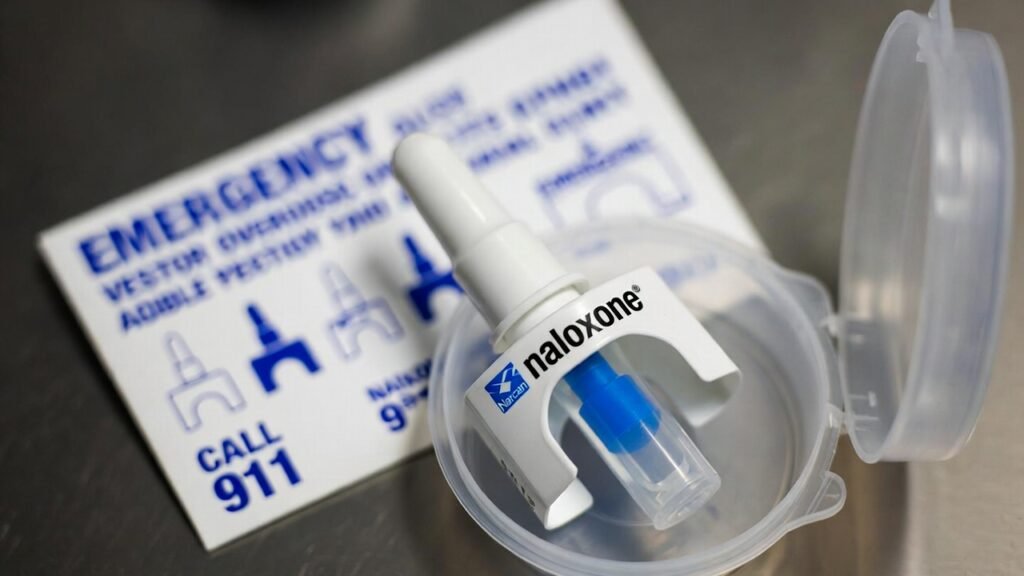
Naloxone (brand name Narcan) is a life-saving medication that rapidly reverses opioid overdoses. It’s available without prescription at most pharmacies in Ohio. If you have naloxone:
- Administer it immediately via nasal spray or injection according to package directions
- Give a second dose after 2-3 minutes if the person doesn’t respond
- Continue giving doses every 2-3 minutes until help arrives or person responds
- Due to fentanyl’s potency, multiple doses are often needed
You can get free naloxone at many Ohio health departments and harm reduction programs. At Sanative Recovery, we provide information on where to obtain naloxone in the Blue Ash and Cincinnati area.
Step 3: Position the Person Properly
While waiting for emergency services:
- Place the person on their side in the recovery position to prevent choking if they vomit
- Keep their airway clear
- Do NOT put them in a cold shower or try to make them walk around
- Do NOT inject them with anything other than naloxone
Step 4: Perform Rescue Breathing if Trained
If the person is not breathing and you’re trained in CPR:
- Give rescue breaths—one breath every 5 seconds
- Continue until help arrives or person starts breathing on their own
- Chest compressions are not typically recommended for opioid overdose unless there’s no pulse
Step 5: Stay with the Person
Never leave someone alone who is showing signs of fentanyl overdose. Even if naloxone seems to work, the person needs medical evaluation. Fentanyl’s effects can last longer than naloxone, causing repeated overdoses.
Signs of Fentanyl Use: Paraphernalia and Drug-Related Items
Finding drug paraphernalia is often one of the clearest signs of fentanyl use. Common items include:
Injection-Related Items
- Syringes or needles
- Spoons (often bent or burned on the bottom)
- Cotton balls or filters
- Rubber tubing or belts (used as tourniquets)
- Bottle caps or other small containers
- Lighters (for heating the drug)
Snorting-Related Items
- Small straws or rolled paper/dollar bills
- Razor blades or cards (for cutting powder)
- Mirrors or flat surfaces with powder residue
- Small plastic bags with powder residue
Smoking-Related Items
- Tin foil with burn marks
- Glass or metal pipes
- Small pieces of burnt foil
Fentanyl Pills and Packaging
- Pills that look like prescription opioids but are counterfeit (often contain fentanyl)
- Small plastic bags or baggies
- Wax paper packets
- Stamp bags (small bags marked with stamps or logos)
The presence of these items, combined with physical and behavioral signs of fentanyl use, indicates serious substance use requiring immediate intervention.
Signs of Fentanyl Withdrawal
Understanding signs of fentanyl withdrawal is important because severe withdrawal symptoms often drive continued use. Fentanyl withdrawal symptoms include:
Early Withdrawal Signs (6-12 hours after last use)
- Anxiety and restlessness
- Muscle aches and pains
- Increased tearing and runny nose
- Excessive sweating
- Difficulty sleeping
- Frequent yawning
Peak Withdrawal Signs (24-72 hours)
- Severe muscle and bone pain
- Nausea, vomiting, and diarrhea
- Goosebumps (“cold turkey”)
- Dilated pupils
- Rapid heartbeat
- High blood pressure
- Intense cravings
- Depression and irritability
While fentanyl withdrawal is extremely uncomfortable, it’s rarely life-threatening. However, the severity of symptoms makes medical detoxification strongly recommended. At Sanative Recovery, we can connect you with appropriate detox services and provide ongoing support through our treatment programs.
Why People Use Fentanyl: Understanding the Context
Recognizing signs of fentanyl use is important, but understanding why people use this dangerous drug helps families respond with compassion rather than judgment:
Unintentional Fentanyl Use
Many people don’t know they’re using fentanyl. They may believe they’re taking:
- Heroin (which is increasingly cut with fentanyl)
- Prescription pills (that are actually fentanyl-laced counterfeits)
- Cocaine or methamphetamine (contaminated with fentanyl)
- MDMA or other party drugs (mixed with fentanyl)
Intentional Fentanyl Use
Some people specifically seek fentanyl because:
- They’ve developed tolerance to other opioids and need something stronger
- It’s cheaper and more available than prescription opioids
- They’re experiencing severe physical or emotional pain
- They’re struggling with untreated mental health conditions
- They’re self-medicating trauma or difficult life circumstances
Understanding that addiction is a disease, not a moral failing, helps families approach their loved ones with the support needed for recovery.
Signs of Fentanyl Use vs. Other Opioid Use
While many signs of fentanyl use overlap with other opioids, some differences include:
Fentanyl-Specific Indicators
- Faster onset: Effects appear within minutes or even seconds
- Shorter duration: High wears off quickly (30 minutes to 2 hours), leading to frequent redosing
- More severe sedation: Extreme drowsiness even with small amounts
- Rapid progression to addiction: Fentanyl’s potency accelerates physical dependence
- Higher overdose risk: Margin between effective dose and lethal dose is extremely small
- Multiple naloxone doses needed: Fentanyl overdoses often require 2-4 doses of naloxone
How to Talk to Someone About Signs of Fentanyl Use
If you’ve noticed signs of fentanyl use in someone you care about, approaching them correctly is crucial. Here’s how:
Choose the Right Time and Place
- Have the conversation when they’re sober, not while intoxicated or in withdrawal
- Choose a private, calm setting without distractions
- Ensure adequate time for discussion without rushing
- Avoid confronting them in front of others unless it’s a planned intervention
What to Say
- “I’ve noticed [specific behaviors] and I’m worried about you.” Be specific about the signs of fentanyl use you’ve observed
- “I care about you and want to help.” Lead with love, not judgment
- “Fentanyl is extremely dangerous. I’m scared I might lose you.” Express genuine concern about their safety
- “Treatment is available and it works. Will you let me help you find it?” Offer concrete support
- “I’ll support you through this.” Commit to being there for their recovery journey
What NOT to Say
- Avoid accusatory language (“You’re ruining your life”)
- Don’t shame or blame (“How could you do this to us?”)
- Avoid ultimatums unless prepared to follow through
- Don’t enable by making excuses or minimizing the problem
- Never give up on them even if they refuse help initially
At Sanative Recovery, we can help families plan these conversations and provide guidance on effective interventions.
Getting Help: Treatment Options for Fentanyl Use
Recognizing signs of fentanyl use is the first step—getting appropriate treatment is the next crucial action. Fentanyl addiction is treatable, and recovery is possible with proper support.
Medical Detoxification
Due to severe withdrawal symptoms, medically supervised detox is strongly recommended for fentanyl addiction. Detox programs provide:
- 24/7 medical monitoring
- Medications to ease withdrawal symptoms
- Safe, supportive environment
- Transition planning to ongoing treatment
Medication-Assisted Treatment (MAT)
Medication-assisted treatment is the gold standard for opioid use disorder. FDA-approved medications include:
- Buprenorphine (Suboxone): Reduces cravings and withdrawal without producing a high
- Methadone: Long-acting opioid agonist that prevents withdrawal and cravings
- Naltrexone (Vivitrol): Blocks opioid receptors, preventing fentanyl from producing effects
MAT combined with counseling significantly improves recovery outcomes and reduces overdose risk.
Behavioral Therapy and Counseling
Evidence-based therapies help address the psychological aspects of addiction:
- Cognitive Behavioral Therapy (CBT)
- Dialectical Behavioral Therapy (DBT)
- Motivational Interviewing
- Trauma-focused therapy
- Group therapy and peer support
- Family therapy
Levels of Care
Treatment intensity should match the severity of addiction:
- Residential/Inpatient: 24/7 care in a treatment facility
- Partial Hospitalization (PHP): Intensive daily treatment while living at home
- Intensive Outpatient (IOP): Several hours of treatment per week
- Outpatient: Regular counseling sessions while maintaining daily responsibilities
How Sanative Recovery Can Help
If you’ve recognized signs of fentanyl use in someone you love, Sanative Recovery in Blue Ash, Ohio, provides comprehensive treatment that addresses fentanyl addiction:
Our Approach to Fentanyl Addiction Treatment
- Personalized care: Treatment plans tailored to individual needs, not one-size-fits-all approaches
- Evidence-based therapies: CBT, DBT, trauma-focused treatment, and relapse prevention
- Medication-assisted treatment coordination: We work with medical providers to ensure access to MAT
- Small census, individual attention: You’re not just a number in a large corporate facility
- Flexible scheduling: PHP and IOP programs that allow you to maintain work or family responsibilities
- Family involvement: Family therapy and education to support lasting recovery
- Continuing care planning: Comprehensive aftercare to prevent relapse
Financial Accessibility
We believe money should never prevent someone from accessing life-saving treatment. We work with every client to create manageable payment arrangements and help you maximize your insurance benefits. Don’t let financial concerns delay getting help for fentanyl addiction.
Resources for Families Dealing with Fentanyl Use
If you’re coping with a loved one’s fentanyl use, you don’t have to face this alone. Resources available include:
Crisis and Overdose Prevention
- 988 Suicide and Crisis Lifeline: Call or text 988 for immediate support
- Ohio CareLine: 1-800-720-9616 (free, confidential mental health and substance abuse support)
- Poison Control: 1-800-222-1222 (for overdose emergencies)
- SAMHSA National Helpline: 1-800-662-HELP (4357)
Naloxone Access in Ohio
- Most Ohio pharmacies provide naloxone without prescription under the statewide standing order
- Local health departments often provide free naloxone and training
- Harm reduction organizations offer naloxone at no cost
Support for Families
- Nar-Anon: Support groups for families affected by addiction
- Al-Anon: Family support meetings
- SAMHSA Treatment Locator: Find local treatment
- Sanative Recovery Family Services: We provide family therapy and education
Prevention: Protecting Others from Fentanyl
Beyond recognizing signs of fentanyl use, prevention is critical:
Education and Awareness
- Teach young people about fentanyl’s presence in all street drugs
- Explain that counterfeit pills may look identical to real prescriptions
- Emphasize there’s no safe way to use street drugs when fentanyl contamination is widespread
- Share resources on recognizing overdose signs
Harm Reduction
For those actively using drugs:
- Never use alone: Have someone nearby who can call 911 if needed
- Fentanyl test strips: Can detect fentanyl in drugs before use (available at harm reduction programs)
- Start with small amounts: Test potency before taking full dose
- Keep naloxone accessible: Have it available and ensure others know how to use it
- Don’t mix substances: Combining fentanyl with alcohol or other drugs increases overdose risk
What Happens After Recognizing Signs of Fentanyl Use
Taking action after recognizing signs of fentanyl use can feel overwhelming, but you don’t have to navigate this alone:
Immediate Steps
- Ensure safety: If overdose signs are present, call 911 immediately
- Get naloxone: Obtain naloxone and learn how to use it
- Reach out for support: Contact treatment centers, support groups, or helplines
- Educate yourself: Learn about addiction, treatment options, and recovery
- Plan the conversation: Decide how to approach your loved one
Next Steps Toward Treatment
- Professional assessment: Get an addiction evaluation to determine appropriate treatment level
- Insurance verification: Understand coverage and financial options
- Treatment planning: Work with professionals to create an individualized plan
- Family involvement: Participate in family therapy and education
- Ongoing support: Commit to long-term recovery support
At Sanative Recovery, we guide families through every step of this process. Contact us today for a confidential consultation about treatment options.
Conclusion: Recognizing Signs of Fentanyl Use Saves Lives
Fentanyl is the deadliest drug in America, claiming over 150 lives every single day. But recognizing the signs of fentanyl use—and knowing what to do—can save your loved one’s life. From physical symptoms like pinpoint pupils and extreme drowsiness to behavioral changes like social withdrawal and financial problems, being aware of these warning signs enables early intervention.
Most importantly, knowing the signs of fentanyl overdose and how to respond with naloxone and emergency services can prevent a fatal outcome. Fentanyl addiction is treatable, recovery is possible, and you don’t have to face this crisis alone.
If you’ve recognized signs of fentanyl use in someone you care about, take action today. Whether you need emergency overdose information, want to discuss treatment options, or simply need support navigating this crisis, help is available. Contact Sanative Recovery in Blue Ash, Ohio—because recognizing the signs is the first step, but getting help is what saves lives.
If this is an emergency and someone is showing signs of fentanyl overdose, call 911 immediately. Every second counts.
About Sanative Recovery and Wellness
Sanative Recovery and Wellness is a substance use disorder treatment facility located in Blue Ash, Ohio. We provide compassionate, evidence-based treatment for fentanyl addiction and other substance use disorders including partial hospitalization programs (PHP), intensive outpatient programs (IOP), individual therapy, group counseling, and family therapy. Our experienced team understands the urgency families face when dealing with fentanyl use and can help connect you with appropriate detox services and ongoing treatment. Money should never prevent access to life-saving care—we work with every client to create manageable payment arrangements. To learn more about recognizing signs of fentanyl use, overdose prevention, or treatment options, visit sanativeohio.com or contact us today.