
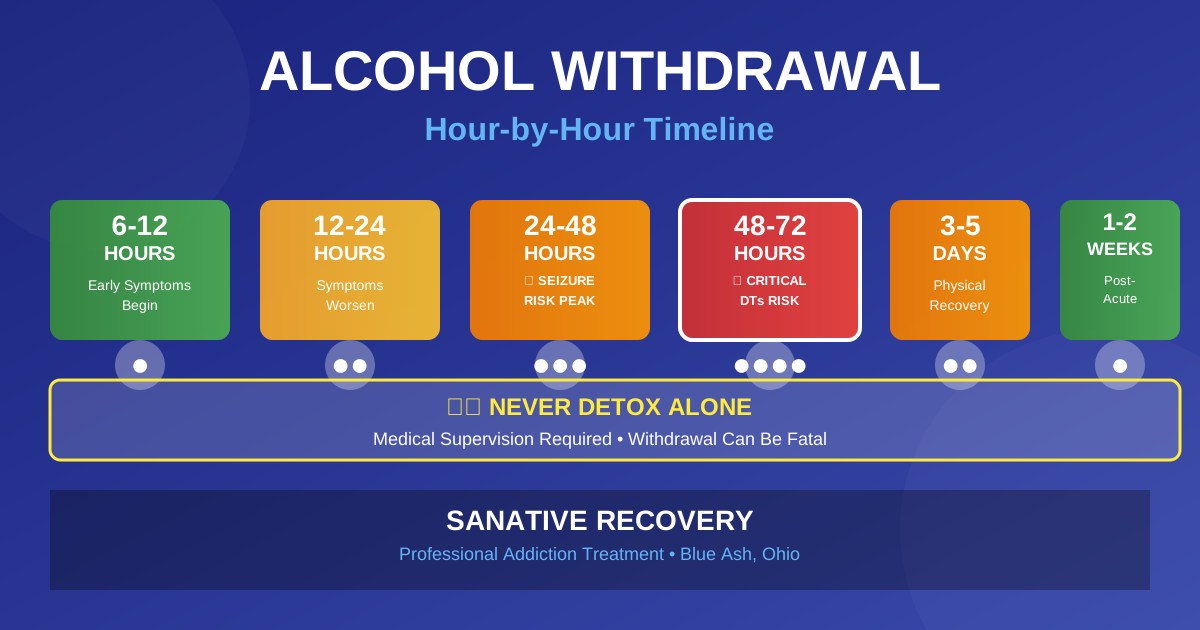
Alcohol Withdrawal Timeline: What to Expect Hour by Hour
Understanding the Alcohol Withdrawal Timeline
The alcohol withdrawal timeline describes the progression of symptoms that occur when someone with alcohol dependence stops or significantly reduces drinking. Unlike withdrawal from many other substances, alcohol withdrawal can cause serious medical complications including seizures and delirium tremens (DTs), which can be fatal without proper medical care.
The alcohol withdrawal timeline varies based on several factors:
- Duration of heavy drinking: The longer you’ve been drinking heavily, the more severe withdrawal tends to be
- Amount consumed daily: Higher daily consumption typically leads to more intense withdrawal
- Previous withdrawal episodes: Each subsequent withdrawal tends to be more severe (a phenomenon called “kindling”)
- Overall health status: Medical conditions, nutritional deficiencies, and age affect withdrawal severity
- Co-occurring substance use: Using other drugs alongside alcohol complicates the withdrawal timeline
- Mental health conditions: Anxiety, depression, or trauma can intensify withdrawal symptoms
The Complete Alcohol Withdrawal Timeline: Hour by Hour
Understanding the alcohol withdrawal timeline helps you recognize what’s happening and when to seek immediate medical help. Here’s what to expect:
6-12 Hours After Last Drink: Early Withdrawal Begins
The alcohol withdrawal timeline typically begins within 6-12 hours of your last drink, though symptoms can appear even sooner for heavy drinkers. Early symptoms in this phase include:
- Anxiety and restlessness: Feeling on edge, unable to relax
- Headache: Dull to moderate head pain
- Nausea and vomiting: Stomach upset, loss of appetite
- Insomnia: Difficulty falling asleep or staying asleep
- Sweating: Excessive perspiration, especially at night
- Tremors: Shaking hands, particularly noticeable when trying to hold objects
- Rapid heartbeat: Heart palpitations, increased heart rate
- Mild confusion: Difficulty concentrating or thinking clearly
While these early symptoms on the alcohol withdrawal timeline may seem manageable, they’re warning signs that more severe symptoms could develop. This is when medical evaluation is critical—even if symptoms seem mild.
12-24 Hours: Symptoms Intensify
As the alcohol withdrawal timeline progresses into the 12-24 hour range, symptoms typically worsen. During this phase, you may experience:
- Increased tremors: Shaking becomes more pronounced throughout the body
- Profuse sweating: Soaking through clothing or bedding
- Severe nausea and vomiting: Inability to keep food or liquids down
- Elevated blood pressure: Dangerous increases that require monitoring
- Rapid breathing: Hyperventilation or feeling unable to catch your breath
- Increased anxiety: Panic attacks, overwhelming fear
- Mood swings: Irritability, depression, or emotional volatility
- Visual, auditory, or tactile hallucinations: Seeing, hearing, or feeling things that aren’t there
Hallucinations during the alcohol withdrawal timeline are particularly concerning. According to SAMHSA, alcoholic hallucinosis can occur in this timeframe and requires immediate medical attention.
24-48 Hours: Peak Seizure Risk
The 24-48 hour mark on the alcohol withdrawal timeline represents the most dangerous period for withdrawal seizures. Approximately 10% of people going through alcohol withdrawal without medical supervision will experience seizures during this window.
Alcohol withdrawal seizures are medical emergencies. They are typically generalized tonic-clonic seizures (grand mal seizures) characterized by:
- Loss of consciousness
- Violent muscle contractions
- Falling or injury risk
- Potential for multiple seizures in a short period
- Risk of status epilepticus (continuous seizures that can be fatal)
This is why attempting alcohol withdrawal at home is extremely dangerous. Medical detoxification facilities monitor patients continuously during this critical period and can administer medications to prevent seizures.
Other symptoms continuing during this phase of the alcohol withdrawal timeline include:
- Severe agitation and restlessness
- Disorientation and confusion
- Fever
- Profuse sweating
- Rapid or irregular heartbeat
- Dangerously elevated blood pressure
48-72 Hours: Delirium Tremens (DTs) Risk
The most severe complication on the alcohol withdrawal timeline is delirium tremens (DTs), which typically appears 48-72 hours after the last drink. DTs occur in approximately 3-5% of people going through alcohol withdrawal, but the mortality rate for untreated DTs can be as high as 37%.
Signs of delirium tremens include:
- Severe confusion and disorientation: Not knowing where you are, what day it is, or recognizing familiar people
- Profound agitation: Extreme restlessness, inability to stay still
- Vivid hallucinations: Intensely realistic visual, auditory, or tactile hallucinations
- Severe tremors: Whole-body shaking
- Fever: Body temperature over 101°F (38.3°C)
- Rapid heartbeat: Heart rate over 100 beats per minute
- High blood pressure: Dangerously elevated readings
- Profuse sweating: Drenching perspiration
- Seizures: Can occur alongside other DT symptoms
Delirium tremens is a life-threatening medical emergency requiring immediate hospitalization. If you or someone you know shows signs of DTs during the alcohol withdrawal timeline, call 911 immediately.
Risk factors for developing DTs include:
- History of DTs during previous withdrawal attempts
- Long history of heavy alcohol use (typically years of daily drinking)
- Previous alcohol withdrawal seizures
- Older age
- Concurrent medical conditions
- Poor nutritional status
- Liver disease
3-5 Days: Symptoms Begin to Subside
For most people, the acute physical symptoms on the alcohol withdrawal timeline begin to improve after 3-5 days. By day five, many individuals experience:
- Reduced tremors and shaking
- Normalized heart rate and blood pressure
- Decreased sweating
- Improved sleep (though still disrupted)
- Reduced nausea
- Clearer thinking
However, psychological symptoms often persist or even intensify during this phase:
- Anxiety: Ongoing worry, panic, or fear
- Depression: Sadness, hopelessness, lack of motivation
- Irritability: Short temper, frustration
- Mood swings: Emotional instability
- Fatigue: Exhaustion despite rest
- Cravings: Intense desire to drink
This is a critical juncture on the alcohol withdrawal timeline. While the physical danger has typically passed, the psychological symptoms make relapse extremely likely without proper support. This is when intensive treatment like the programs at Sanative Recovery becomes essential.
1-2 Weeks: Post-Acute Withdrawal Begins
As the alcohol withdrawal timeline extends into weeks 1-2, most acute symptoms have resolved, but individuals often experience what’s called post-acute withdrawal syndrome (PAWS). Symptoms during this phase include:
- Sleep disturbances: Insomnia, nightmares, fragmented sleep
- Mood fluctuations: Unpredictable emotional states
- Anxiety: Persistent worry or nervousness
- Difficulty concentrating: “Brain fog,” memory problems
- Low energy: Persistent fatigue and lack of motivation
- Anhedonia: Inability to feel pleasure from activities once enjoyed
- Strong cravings: Intense urges to drink, especially when triggered
PAWS can last for months after the initial alcohol withdrawal timeline concludes. This extended recovery period is why ongoing treatment is so critical. At Sanative Recovery, our partial hospitalization and intensive outpatient programs provide the structured support needed during this vulnerable time.
Why You Cannot Safely Detox from Alcohol at Home
Understanding the alcohol withdrawal timeline makes it clear why attempting detox at home is dangerous. Here’s why medical supervision is essential:
Seizures Can Occur Without Warning
Alcohol withdrawal seizures often happen with no prior warning signs. They peak between 24-48 hours on the alcohol withdrawal timeline and can cause:
- Serious injury from falls
- Aspiration (breathing vomit into lungs)
- Status epilepticus (continuous seizures)
- Death
Medical detox facilities have protocols and medications to prevent seizures before they occur.
Delirium Tremens is Fatal Without Treatment
DTs can develop rapidly and unexpectedly. Without medical intervention, mortality rates are extremely high. Medical detox provides:
- 24/7 monitoring of vital signs
- IV fluids and electrolyte replacement
- Medications to reduce symptoms and prevent complications
- Immediate emergency response if needed
Kindling Effect Makes Each Withdrawal Worse
Each time you go through alcohol withdrawal, the next episode tends to be more severe—a phenomenon called “kindling.” This means:
- Previous “mild” withdrawals don’t predict future ones
- Symptoms can be more intense than anticipated
- Risk of seizures and DTs increases with each withdrawal
- Medical history of withdrawal requires professional detox
Underlying Health Conditions Complicate Withdrawal
The alcohol withdrawal timeline is affected by:
- Liver disease (common in chronic alcohol use)
- Heart conditions
- Diabetes
- Mental health disorders
- Nutritional deficiencies (especially thiamine/B1)
Medical detox addresses these complicating factors simultaneously.
Medical Detox: What Happens During Professional Alcohol Withdrawal
Medical detoxification provides safe, supervised care throughout the alcohol withdrawal timeline. Here’s what professional detox involves:
Comprehensive Assessment
Before detox begins, medical professionals conduct:
- Complete medical history and physical examination
- Assessment of drinking patterns and previous withdrawal history
- Blood tests to check for nutritional deficiencies, liver function, and other health markers
- Mental health evaluation
- Screening for co-occurring substance use
This assessment determines the appropriate level of medical supervision needed throughout your alcohol withdrawal timeline.
Medication-Assisted Withdrawal Management
Medical detox uses FDA-approved medications to manage the alcohol withdrawal timeline safely. Common medications include:
- Benzodiazepines: Medications like lorazepam, diazepam, or chlordiazepoxide reduce seizure risk and ease withdrawal symptoms by acting on the same brain receptors as alcohol
- Thiamine (Vitamin B1): Prevents Wernicke-Korsakoff syndrome, a serious neurological complication
- Anti-nausea medications: Control vomiting and improve comfort
- Blood pressure medications: Manage cardiovascular symptoms
- Sleep aids: Address severe insomnia
24/7 Medical Monitoring
Throughout the critical phases of the alcohol withdrawal timeline, medical staff:
- Monitor vital signs (heart rate, blood pressure, temperature, breathing) regularly
- Assess symptom severity using standardized scales
- Adjust medications based on symptoms
- Provide IV fluids and nutritional support
- Respond immediately to any complications
Supportive Care
Beyond medical interventions, detox facilities provide:
- Safe, comfortable environment
- Nutritious meals and hydration
- Sleep support
- Emotional support and reassurance
- Education about the recovery process
Finding Medical Detox in Ohio
If you need alcohol detoxification in Ohio, several quality facilities provide medical detox services:
Types of Detox Programs
Hospital-Based Detox: For severe alcohol dependence, medical complications, or history of DTs, hospital-based detox provides the highest level of medical care throughout the alcohol withdrawal timeline.
Residential Detox Facilities: Specialized detox centers offer 24/7 medical supervision in a treatment-focused environment designed specifically for alcohol withdrawal.
Outpatient Detox: Only appropriate for mild withdrawal in individuals with strong home support, no history of complications, and no other health conditions. Most people with significant alcohol dependence require inpatient detox.
How Sanative Recovery Can Help with Detox Coordination
While Sanative Recovery specializes in intensive outpatient care following detox rather than providing detoxification services, we can help you navigate the process:
- Detox facility referrals: We work with trusted medical detox providers in the Cincinnati and Blue Ash area
- Coordination of care: We help ensure smooth transition from detox to our PHP or IOP programs
- Treatment planning: We can assess your needs and create a comprehensive plan that includes appropriate detox followed by our continuing care
- Insurance verification: We’ll help you understand coverage for both detox and ongoing treatment
- Family support: We provide guidance to families throughout the entire process
Contact Sanative Recovery today to discuss your situation. We’ll connect you with appropriate detox services and reserve your place in our continuing care program.
What Happens After the Alcohol Withdrawal Timeline: Continuing Care
Completing medical detox is a critical first step, but it’s only the beginning of recovery. The alcohol withdrawal timeline addresses physical dependence, but treating the underlying alcohol use disorder requires ongoing care.
Why Continuing Care is Essential
Research shows that detox alone rarely leads to lasting sobriety. According to the National Institute on Drug Abuse, treatment lasting at least 90 days significantly improves outcomes. After completing the alcohol withdrawal timeline, continuing care is critical because:
- Detox doesn’t address psychological addiction: The urges, triggers, and patterns that led to drinking remain
- Mental health needs treatment: Many people drink to cope with anxiety, depression, trauma, or other conditions that require therapy
- Life skills need rebuilding: You must learn new coping strategies, relationship skills, and stress management
- Relapse risk is highest early: The first 90 days after detox are when most relapses occur
- Brain healing takes time: Alcohol affects brain chemistry; recovery requires months of sobriety
Levels of Continuing Care After Detox
After completing the alcohol withdrawal timeline in detox, appropriate continuing care includes:
Partial Hospitalization Program (PHP)
PHP provides intensive treatment while allowing you to sleep at home. This level is ideal for individuals stepping down from detox who need:
- Structured daily programming (typically 5-6 days per week)
- Several hours of therapy daily
- Medical monitoring (for medications, co-occurring conditions)
- Intensive support during early recovery
At Sanative Recovery, our PHP program provides evidence-based treatment from 8:30 AM to around noon, allowing you to maintain some daily life responsibilities while receiving intensive care.
Intensive Outpatient Program (IOP)
IOP offers structured treatment several times per week while you live at home and maintain work or family responsibilities. This level works well for:
- Individuals stepping down from PHP
- Those with strong home support systems
- People who completed detox and need ongoing treatment
- Maintaining recovery while returning to work or school
Outpatient Therapy
Standard outpatient treatment involves weekly or bi-weekly therapy sessions. This level is appropriate for:
- Individuals stepping down from IOP
- Long-term maintenance of recovery
- Those with stable sobriety needing ongoing support
Evidence-Based Therapies for Alcohol Use Disorder
After navigating the alcohol withdrawal timeline, effective treatment addresses the psychological and behavioral aspects of addiction. At Sanative Recovery, we use proven therapies including:
Cognitive Behavioral Therapy (CBT)
CBT helps you identify and change thought patterns and behaviors that lead to drinking. You’ll learn to:
- Recognize triggers and high-risk situations
- Challenge beliefs that support drinking
- Develop healthier coping strategies
- Build skills to refuse alcohol
Dialectical Behavioral Therapy (DBT)
DBT focuses on emotional regulation skills essential for people who drink to manage difficult emotions. It teaches:
- Mindfulness and present-moment awareness
- Distress tolerance without using substances
- Emotion regulation techniques
- Interpersonal effectiveness
Motivational Interviewing
This approach helps resolve ambivalence about recovery and strengthens commitment to change by:
- Exploring personal reasons for sobriety
- Building confidence in ability to change
- Addressing mixed feelings about drinking
- Developing intrinsic motivation
Family Therapy
Alcohol use disorder affects entire families. Family therapy helps:
- Heal damaged relationships
- Improve communication
- Establish healthy boundaries
- Build family support for recovery
Relapse Prevention
Specialized training in relapse prevention teaches you to:
- Identify personal warning signs
- Develop emergency action plans
- Build a support network
- Manage triggers effectively
- Handle cravings without drinking
Long-Term Recovery: Beyond the Alcohol Withdrawal Timeline
Successful recovery extends far beyond the alcohol withdrawal timeline. Long-term sobriety requires:
Support Groups and Peer Recovery
- Alcoholics Anonymous (AA): 12-step program with meetings throughout Ohio
- SMART Recovery: Science-based alternative to 12-step programs
- Refuge Recovery: Buddhist-inspired recovery approach
- Women for Sobriety: Gender-specific support
- LifeRing: Secular recovery support
Lifestyle Changes
Recovery involves rebuilding your life around sobriety:
- Developing healthy routines and structure
- Building sober social networks
- Finding purpose and meaning
- Addressing physical health through nutrition and exercise
- Developing healthy stress management habits
- Pursuing hobbies and interests
Ongoing Mental Health Care
Many people drink to cope with underlying mental health conditions. Ongoing treatment for:
- Depression
- Anxiety disorders
- PTSD or trauma
- Bipolar disorder
- Other co-occurring conditions
How Sanative Recovery Supports Long-Term Recovery After Detox
Once you’ve completed the alcohol withdrawal timeline through medical detox, Sanative Recovery provides the comprehensive care needed for lasting sobriety:
Personalized Treatment Planning
- Individual assessment of your specific needs, challenges, and goals
- Customized treatment plans addressing your unique situation
- Flexibility to adjust care as your needs evolve
- Integration of co-occurring disorder treatment
Small Census, Individual Attention
- We maintain a smaller client census than large corporate facilities
- Your therapist truly knows you and your story
- You’re not just a number in a high-volume program
- Personalized care rather than cookie-cutter treatment
Evidence-Based Programming
- Morning-focused schedule (8:30 AM – noon) allowing afternoon flexibility
- Proven therapies: CBT, DBT, relapse prevention, mindfulness
- Family involvement and therapy
- Group and individual counseling
- Holistic wellness approaches
Flexible, Accessible Care
- PHP and IOP programs that work around life responsibilities
- Out-of-network provider offering clinical independence
- Treatment based on your needs, not insurance company restrictions
- Continuing care planning for long-term success
Financial Accessibility
We believe that cost should never prevent access to life-saving treatment. At Sanative Recovery:
- We work with every client to create manageable payment arrangements
- We help maximize out-of-network insurance benefits
- We offer flexible payment terms
- Money will never stand in the way of your recovery
Taking Action: Your Next Steps
If you’re concerned about the alcohol withdrawal timeline and need help stopping drinking, here’s what to do:
If You’re Currently Drinking Heavily
- Don’t stop suddenly without medical help: Abrupt cessation can trigger dangerous withdrawal
- Contact a medical professional: Call your doctor, Sanative Recovery, or a detox facility to assess your needs
- Be honest about your drinking: Provide accurate information about how much and how long you’ve been drinking
- Seek medical detox: Based on assessment, you’ll likely need supervised detoxification
- Plan for continuing care: Arrange PHP or IOP treatment to begin immediately after detox
If You’re in Early Recovery (Post-Detox)
- Get into treatment immediately: Don’t wait—the first 30 days post-detox are critical
- Consider PHP or IOP: Intensive programming provides structure when you need it most
- Build your support network: Connect with support groups, therapy, and sober peers
- Address co-occurring conditions: Treat mental health issues alongside addiction
- Commit to 90 days minimum: Research shows this duration significantly improves outcomes
If You’re Supporting a Loved One
- Educate yourself: Understanding the alcohol withdrawal timeline helps you provide appropriate support
- Don’t enable: Support recovery but don’t make drinking easier or consequence-free
- Encourage professional help: Emphasize the dangers of unsupervised withdrawal
- Participate in treatment: Family therapy strengthens recovery
- Set boundaries: Protect yourself while supporting their recovery
- Seek support for yourself: Al-Anon and similar groups help families cope
Alcohol Withdrawal Timeline: Frequently Asked Questions
Can I Taper Off Alcohol to Avoid Withdrawal?
While tapering sounds safer than quitting abruptly, it’s rarely effective for severe alcohol dependence. Challenges include:
- Difficulty controlling consumption once you start drinking
- Risk of prolonging the withdrawal process
- Lack of medical monitoring for complications
- No support for underlying addiction issues
Medical detox is safer and more effective than attempting to taper on your own.
How Long Does Alcohol Withdrawal Last?
The acute alcohol withdrawal timeline typically lasts 5-7 days, but post-acute withdrawal symptoms can persist for weeks or months. Individual factors significantly affect duration.
What Medications Help with Alcohol Withdrawal?
Benzodiazepines are the standard treatment during the alcohol withdrawal timeline, along with thiamine, anti-nausea medications, and blood pressure medications as needed. After detox, medications like naltrexone, acamprosate, or disulfiram may support ongoing sobriety.
Will Insurance Cover Detox and Treatment?
Most insurance plans cover both medical detox and continuing treatment like PHP or IOP. Coverage details vary, but the Mental Health Parity and Addiction Equity Act requires most plans to cover substance use disorder treatment. Sanative Recovery can help you verify coverage for both detox referral and our programs.
Can I Die from Alcohol Withdrawal?
Yes, alcohol withdrawal can be fatal without medical supervision. Seizures and delirium tremens are life-threatening complications on the alcohol withdrawal timeline. This is why medical detox is essential—it can literally save your life.
Conclusion: The Alcohol Withdrawal Timeline is Just the Beginning
Understanding the alcohol withdrawal timeline is important, but remember that detox is only the first step in recovery from alcohol use disorder. While the withdrawal timeline covers days to weeks, building a life in recovery is a longer journey that requires comprehensive treatment and ongoing support.
The dangerous symptoms on the alcohol withdrawal timeline—seizures, delirium tremens, cardiovascular complications—make medical detoxification essential. Never attempt to detox from alcohol at home, especially if you’ve been drinking heavily for an extended period.
After safely navigating the alcohol withdrawal timeline through medical detox, continuing care through programs like those at Sanative Recovery addresses the psychological, behavioral, and emotional aspects of addiction. This comprehensive approach gives you the best chance at lasting sobriety and a fulfilling life in recovery.
If you’re ready to stop drinking, contact Sanative Recovery today. We’ll help you find appropriate medical detox services and reserve your place in our PHP or IOP program. Money should never prevent you from accessing life-saving care—we’ll work with you to make treatment possible.
The alcohol withdrawal timeline may seem daunting, but thousands of people safely navigate it every day with proper medical support. Recovery is possible, and it starts with taking that first step of asking for help.
About Sanative Recovery and Wellness
Sanative Recovery and Wellness is a substance use disorder treatment facility in Blue Ash, Ohio, specializing in partial hospitalization (PHP) and intensive outpatient (IOP) programs for individuals recovering from alcohol use disorder and other substance dependencies. While we don’t provide medical detoxification services, we work closely with trusted detox facilities in the Cincinnati area to ensure coordinated, comprehensive care. Our evidence-based treatment programs help individuals build lasting recovery after completing the alcohol withdrawal timeline through medical detox. We believe money should never prevent access to quality treatment and work with every client to create manageable payment arrangements. To learn more about alcohol withdrawal, detox coordination, or our continuing care programs, visit sanativeohio.com or contact us today.